
Compare Local Contractors for Effective Radon Mitigation Solutions
Compare local contractors for radon mitigation to define project scope, verify experience, and set clear expectations in writing for a successful job.
Radon mitigation contractors typically handle the installation and maintenance of systems designed to reduce radon levels within residential and commercial properties. This work often involves assessing the property to identify radon entry points, installing venting systems such as sub-slab depressurization, and ensuring proper sealing of foundation cracks. The goal is to create a pathway for radon gas to safely vent outside, minimizing indoor concentrations. Understanding the scope of these services helps property owners determine what specific work is necessary to address radon concerns effectively.
Defining the scope of radon mitigation work is an essential step in ensuring the project meets the property's needs. Clear communication about what tasks are included-such as system installation, testing, and potential repairs-helps set realistic expectations. It also provides a basis for comparing proposals from different contractors, ensuring that each offers a comprehensive solution tailored to the property’s unique features. A well-documented scope can prevent misunderstandings and ensure that all parties are aligned on the work to be performed.
Property owners can compare local contractors by examining their experience with radon mitigation systems, reviewing the details of the scope of work offered, and verifying how each provider plans to approach the project. Asking for written descriptions of the services included can clarify what is covered and help identify any gaps or additional needs. Additionally, checking references or seeking recommendations can provide insight into a contractor’s track record with similar projects. By carefully evaluating these factors, property owners can make informed decisions when selecting a service provider for radon mitigation work.
Compare local contractors by outlining your priorities, verifying experience, and clearly defining the scope and expectations in writing.
- Compare Contractor Credentials - review the experience and background of local contractors to ensure they meet your project needs.
- Define Scope Clearly - establish detailed project requirements and expectations before work begins.
- Verify Experience and References - seek information about previous radon mitigation projects to assess contractor expertise.
- Document Agreements in Writing - ensure all project details, scope, and expectations are confirmed through written agreements.
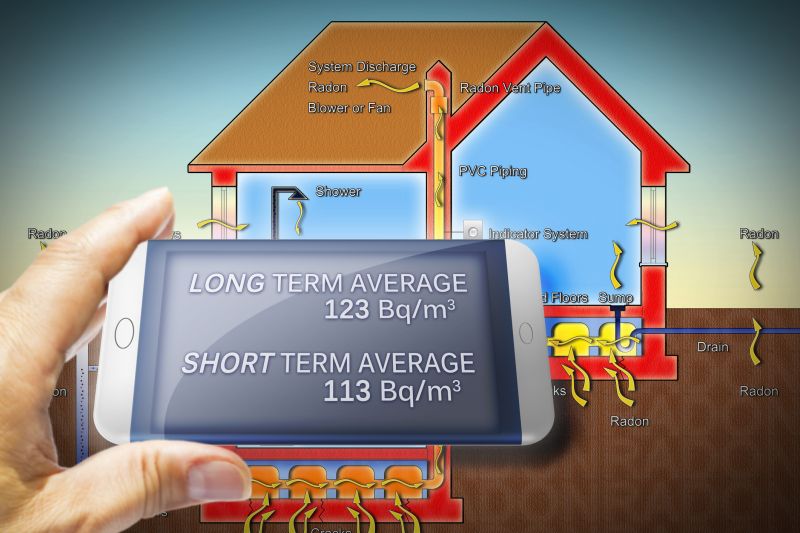
Clearly describe your radon mitigation project and compare local contractors based on experience, scope, and written expectations.
- Verify experience and expertise of local contractors in radon mitigation to ensure they are knowledgeable about proper installation techniques. - Look for service providers who can clearly define the scope of work and explain the mitigation process in writing.
- Compare multiple local contractors to assess their approaches and ensure consistency in the proposed solutions. - Ensure that each contractor provides detailed documentation of the recommended mitigation system.
- Check for references or reviews that highlight previous successful radon mitigation projects handled by the service providers. - Confirm that contractors understand the specific requirements of your property type and layout.
- Ensure that scope of work, responsibilities, and expectations are clearly outlined and documented before work begins. - Clarify any warranties or guarantees related to the mitigation system in writing.
- Assess the communication skills of local contractors to ensure they can explain technical details clearly and answer questions thoroughly. - Confirm that the service provider can provide comprehensive information about their proposed mitigation approach.
Compare local contractors' experience and clearly define project scope to set accurate expectations.
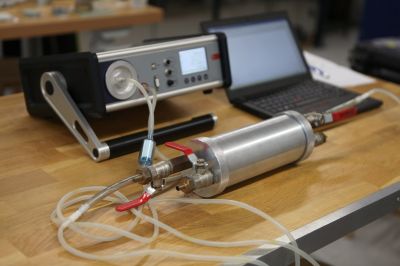
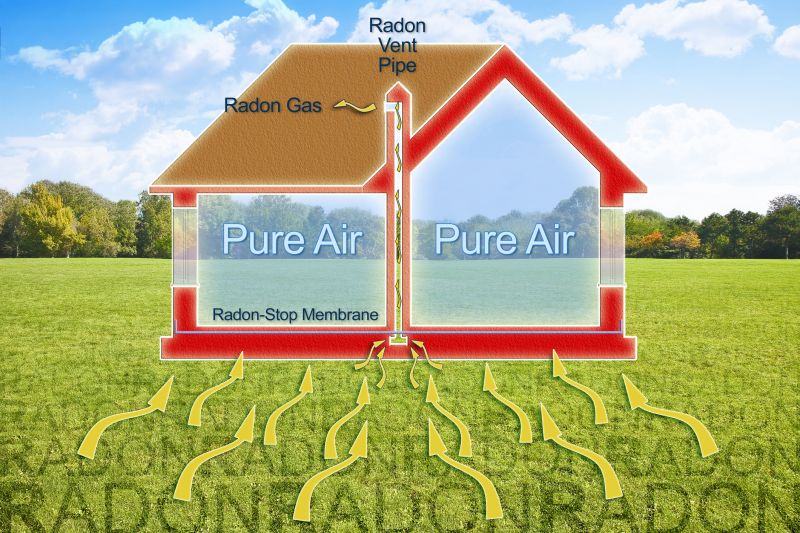
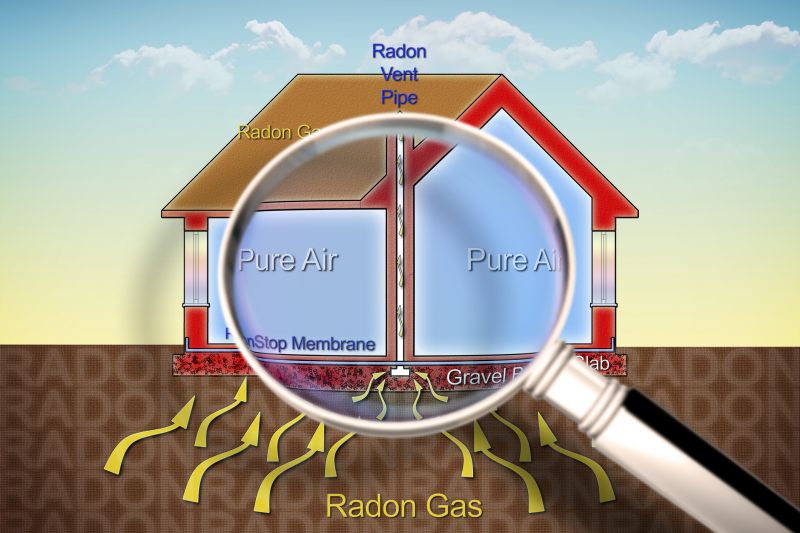
Use clear comparison criteria to evaluate local contractors’ scope, experience, and written expectations for radon mitigation.
- Scope Definition - Clearly outline the specific radon mitigation services required for the property.
- Experience Verification - Confirm that local contractors have relevant experience with radon mitigation systems similar to the project's needs.
- Material and System Specifications - Specify the types of mitigation systems and materials to be used in the project scope.
- Installation Process Details - Describe the procedures and methods that local service providers will follow during installation.
- Warranty and Post-Installation Support - Define expectations for warranties, guarantees, and ongoing support in the scope of work.
When comparing contractors for radon mitigation, it’s important to evaluate their experience with similar projects. Homeowners should inquire about the types of homes and environments the service providers have worked on, ensuring they have a track record of handling situations comparable to their own. A contractor’s familiarity with different foundation types, ventilation systems, and existing structural setups can influence the effectiveness and reliability of the mitigation system installed. Verifying that a contractor has relevant experience helps to establish confidence that they understand the specific challenges that may arise during the project.
A clear, written scope of work is essential for setting expectations and avoiding misunderstandings. Homeowners should seek detailed descriptions of the proposed mitigation approach, including the specific tasks to be completed, the materials to be used, and the installation process. Having a comprehensive scope documented ensures that both parties are aligned on what will be done and provides a reference point for any future questions or concerns. This clarity helps to prevent surprises and ensures that the project’s objectives are well-defined from the outset.
Verification basics involve confirming that the contractor has a thorough understanding of radon measurement and mitigation standards. Service providers should be able to explain their approach to testing the home prior to installation, as well as how they will verify that the mitigation system is functioning properly afterward. Homeowners can ask about the methods used to ensure the system’s effectiveness, such as post-installation testing or ongoing monitoring recommendations. Understanding how a contractor plans to verify the system’s performance provides a basis for evaluating their professionalism and attention to detail.
Evaluating options without focusing on prices involves assessing how well each contractor’s proposal aligns with the homeowner’s needs and expectations. Key factors include the clarity of the scope, the contractor’s experience with similar projects, and their approach to verifying system performance. It’s also helpful to consider how transparent the contractor is about their process and whether they provide thorough explanations of their recommended solutions. By focusing on these aspects, homeowners can make informed decisions about which service providers are best suited to deliver a reliable and effective radon mitigation system.
Request written scope and details from service providers to ensure clear expectations and consistent project understanding.
- Experience and Qualifications - What experience do local contractors have with radon mitigation projects similar to this scope?
- Scope of Work - How do local service providers define the scope of radon mitigation services they offer?
- Services Included - What specific mitigation methods and equipment do local contractors typically include in their scope?
- Project Expectations - How do local pros clarify what is included and excluded in their radon mitigation services?
- Comparison Criteria - What key factors should be used to compare the scope and approach of different local contractors?
How can I compare radon mitigation contractors? To compare local contractors, review their experience, scope of services, and reputation through customer reviews and references to ensure they meet your project needs.
What should I consider when defining the scope of radon mitigation work? Clearly outline the areas to be addressed, the type of system needed, and any specific requirements to ensure the contractor understands the project's extent.
How can I verify a contractor's experience with radon mitigation? Ask for details about their previous projects, years of experience, and any relevant work samples to assess their familiarity with the required systems.
Why is it important to have a written agreement with a radon mitigation contractor? A written agreement helps set clear expectations, defines the scope of work, and provides a record of the agreed-upon terms for the project.
What questions should I ask a contractor before hiring for radon mitigation? Inquire about their experience, the proposed scope of work, the methods they use, and how they plan to address your specific property needs.
How can I ensure the contractor's approach aligns with my expectations? Discuss the project details in advance, get everything in writing, and verify that the scope and methods match your understanding before proceeding.
Understanding the key aspects of radon mitigation services can help in making informed decisions. Visitors learned how to define the scope of work, verify the experience of contractors, and set clear expectations in writing. Comparing different service providers allows for a better understanding of options available in the area, facilitating choices that align with individual needs.
Using the quote form provides an effective way to connect with local contractors who can handle radon mitigation projects. It offers an opportunity to gather information, compare offerings, and find service providers equipped to meet specific requirements. Taking this step can help ensure the process is straightforward and tailored to personal circumstances.